In this FAQ guide, we answer the most common questions about the Twin Peaks District in San Francisco, covering both real estate and general neighborhood insights. From home prices, property types, and market trends to local amenities, dining, parks, and lifestyle, this guide provides a clear snapshot of what makes Twin Peaks a desirable neighborhood to live in and invest in. With expert insights from ZH Group, whether you’re considering buying property, renting, or simply exploring the area, you’ll have all the essential information you need to understand and enjoy this scenic and vibrant San Francisco district.
What is Twin Peaks San Francisco known for?
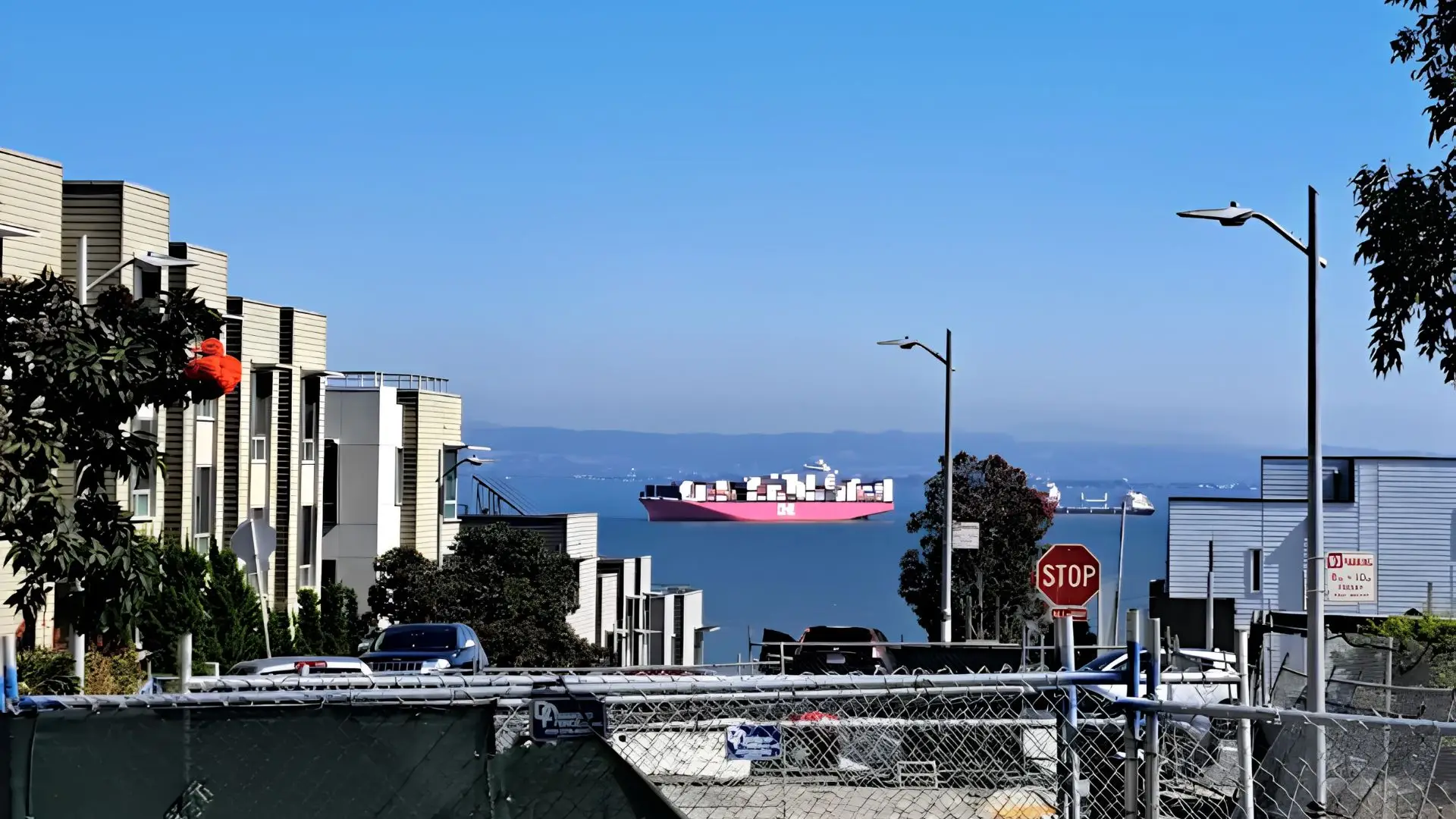
Twin Peaks in San Francisco is famous for its breathtaking panoramic views of the city, the Golden Gate Bridge, and the Bay. The neighborhood is also recognized for its diverse community, scenic hills, and vibrant arts and culture, making it a popular destination for both visitors and residents who enjoy a mix of natural beauty and urban charm.
Is Twin Peaks a good neighborhood to buy a home?
Yes, Twin Peaks is considered a desirable residential neighborhood with scenic views and a peaceful, elevated setting. Many buyers are drawn to its tranquil atmosphere, panoramic views of San Francisco, and proximity to central city locations like The Castro and Golden Gate Park. Homes here tend to sell relatively quickly compared with national trends, reflecting local demand.
What is the median home price in Twin Peaks?
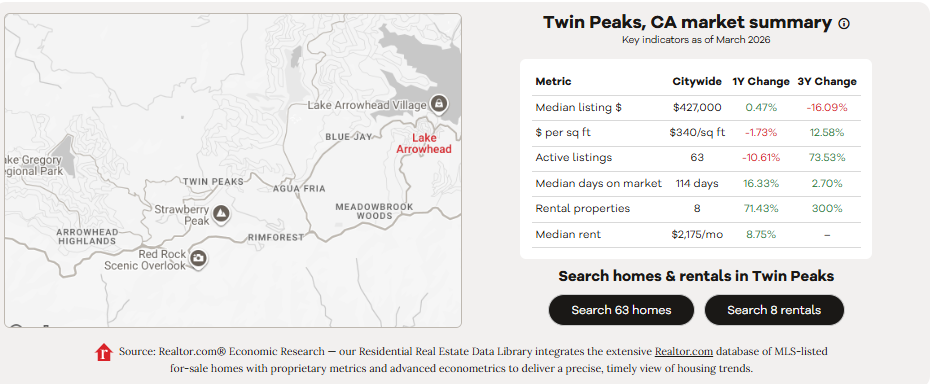
Twin Peaks Market Summary 2026/Realtor.com
The Twin Peaks housing market reflects a stable and moderately competitive environment. Current data shows a median home sale price of $427,000, with median rent averaging around $2,200 per month, indicating continued demand for both ownership and rental housing.
Market activity also shows homes spending a shifting average of 16.33% year-over-year change in days on market, suggesting evolving buyer pacing and listing dynamics. With approximately 63 homes for sale, inventory remains relatively tight, giving sellers a stronger position in negotiations. Rental availability is even more limited, with only 8 active listings, creating competitive conditions for renters and faster decision timelines.
Pricing trends remain balanced, with a median price of $340 per square foot, reflecting consistent value across the neighborhood. Year-over-year, the median sale price has increased modestly by 0.47%, signaling steady appreciation and a stable buyer pool within the area.
Source: realtor
Is Twin Peaks a buyer’s or seller’s market?
The Twin Peaks market has remained generally favorable for sellers, with homes often selling faster than in many national markets, although trends can vary over time. Rapid turnover and limited inventory support pricing strength, especially for well‑located homes with views.
How competitive is renting in Twin Peaks?
Renting in Twin Peaks can be competitive due to limited inventory. While exact rental listings fluctuate, some sources show that available rentals are few and median rent prices reflect strong demand in San Francisco’s broader rental market, making prompt action important for prospective renters.
Are there different types of homes available in Twin Peaks?
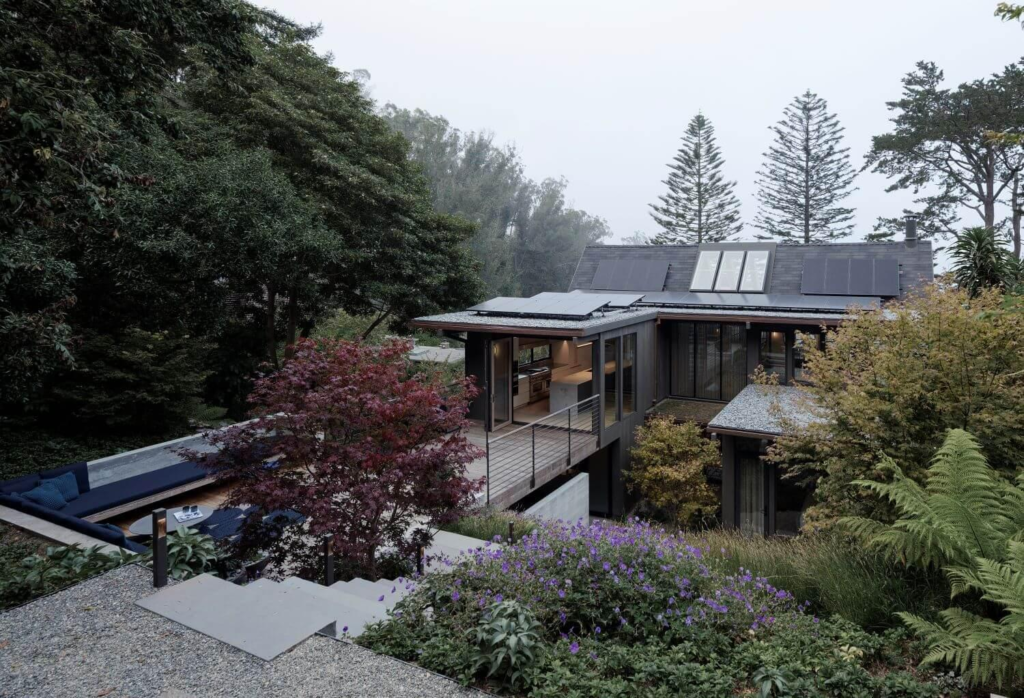
Twin Peaks Residence: a mid-century San|amazingarchitecture
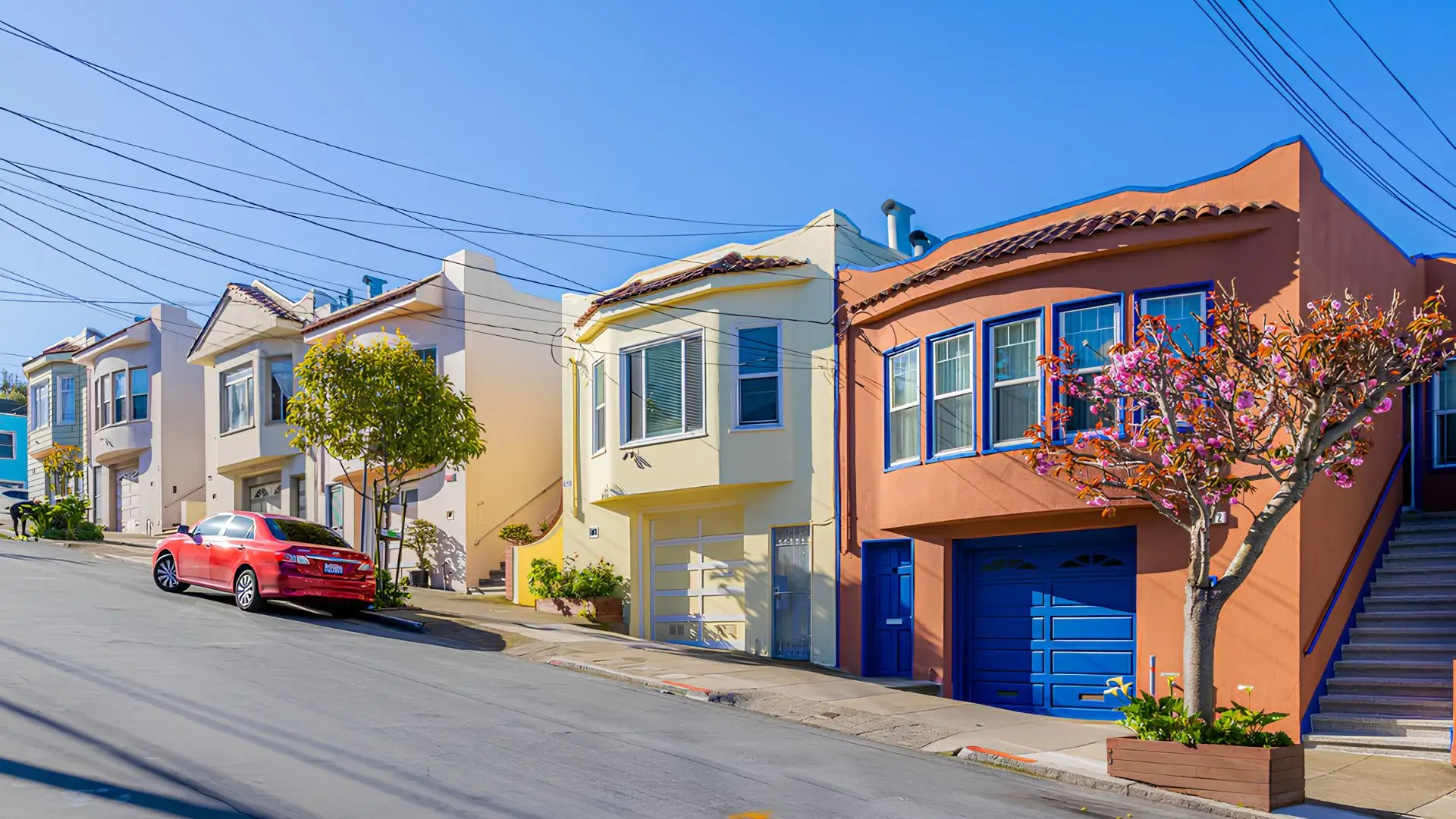
Yes, the neighborhood includes a mix of single‑family homes, hillside condominium, and apartment units. Many homes were built in the mid‑20th century and take advantage of the steep terrain with large windows and scenic vistas, while condominium and smaller units offer a more urban‑accessible entry point for buyers.
What’s the weather like in Twin Peaks, San Francisco?
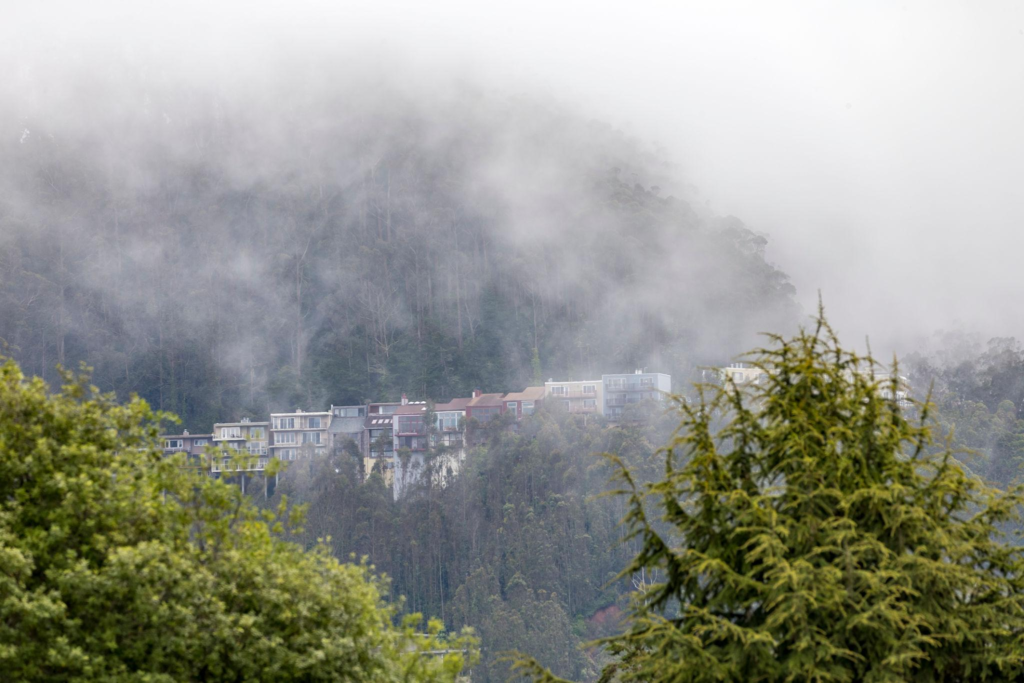
Residential buildings and low fog at Twins Peak, San Francisco
The Twin Peaks District experiences a mild, coastal climate typical of San Francisco, with cool summers, foggy mornings, and relatively moderate winters. Average high temperatures range from 57°F (14°C) in winter to 68°F (20°C) in summer, while evenings can be chilly due to the neighborhood’s elevation. Fog is common in the mornings and evenings, especially during summer, which can slightly obscure the scenic views. Rainfall is concentrated between November and March, while the rest of the year is mostly dry and clear, making Twin Peaks ideal for hiking, sightseeing, and outdoor activities almost year-round. Its elevated location often results in slightly cooler temperatures and stronger winds than lower-lying areas of San Francisco.