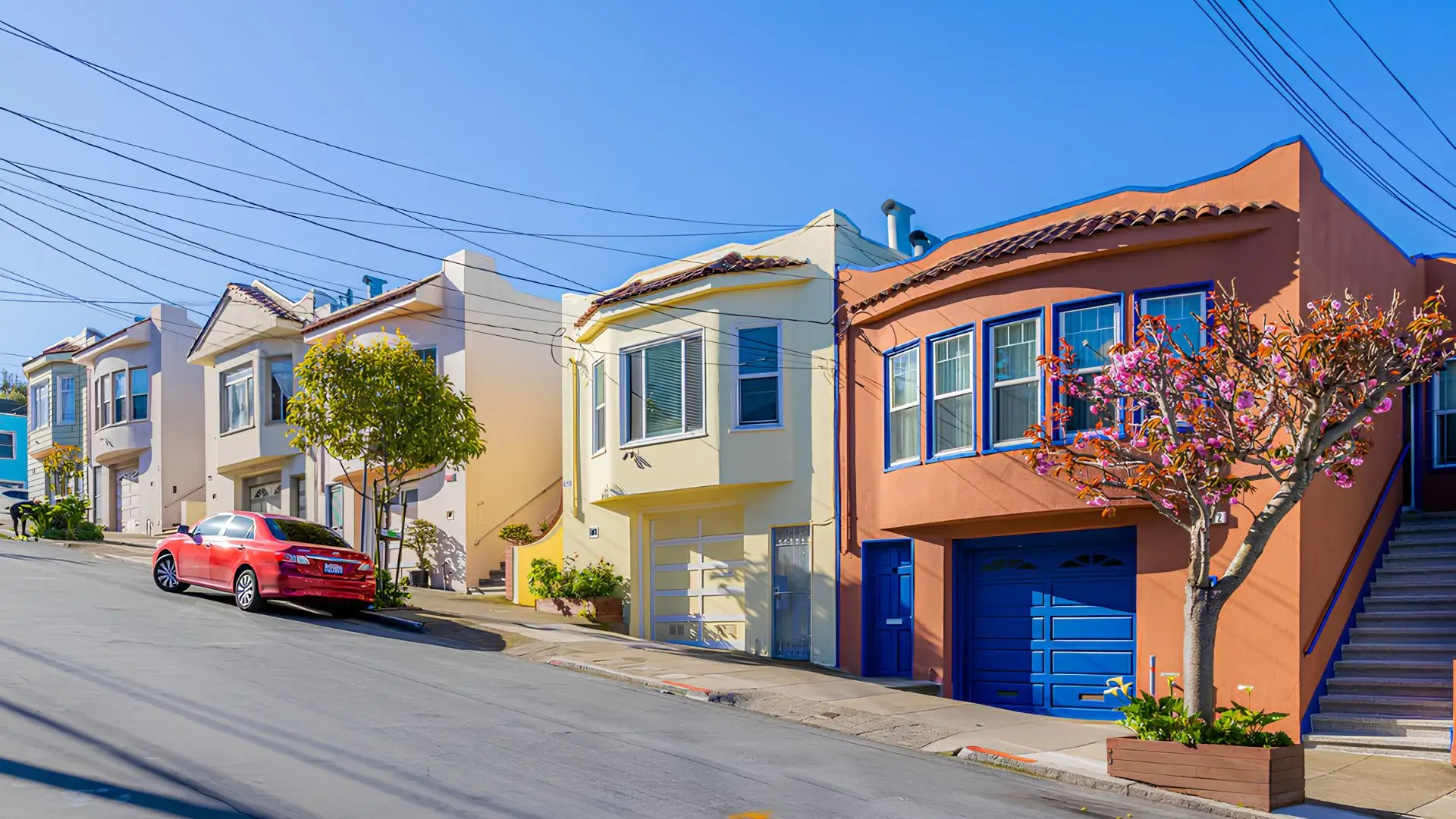
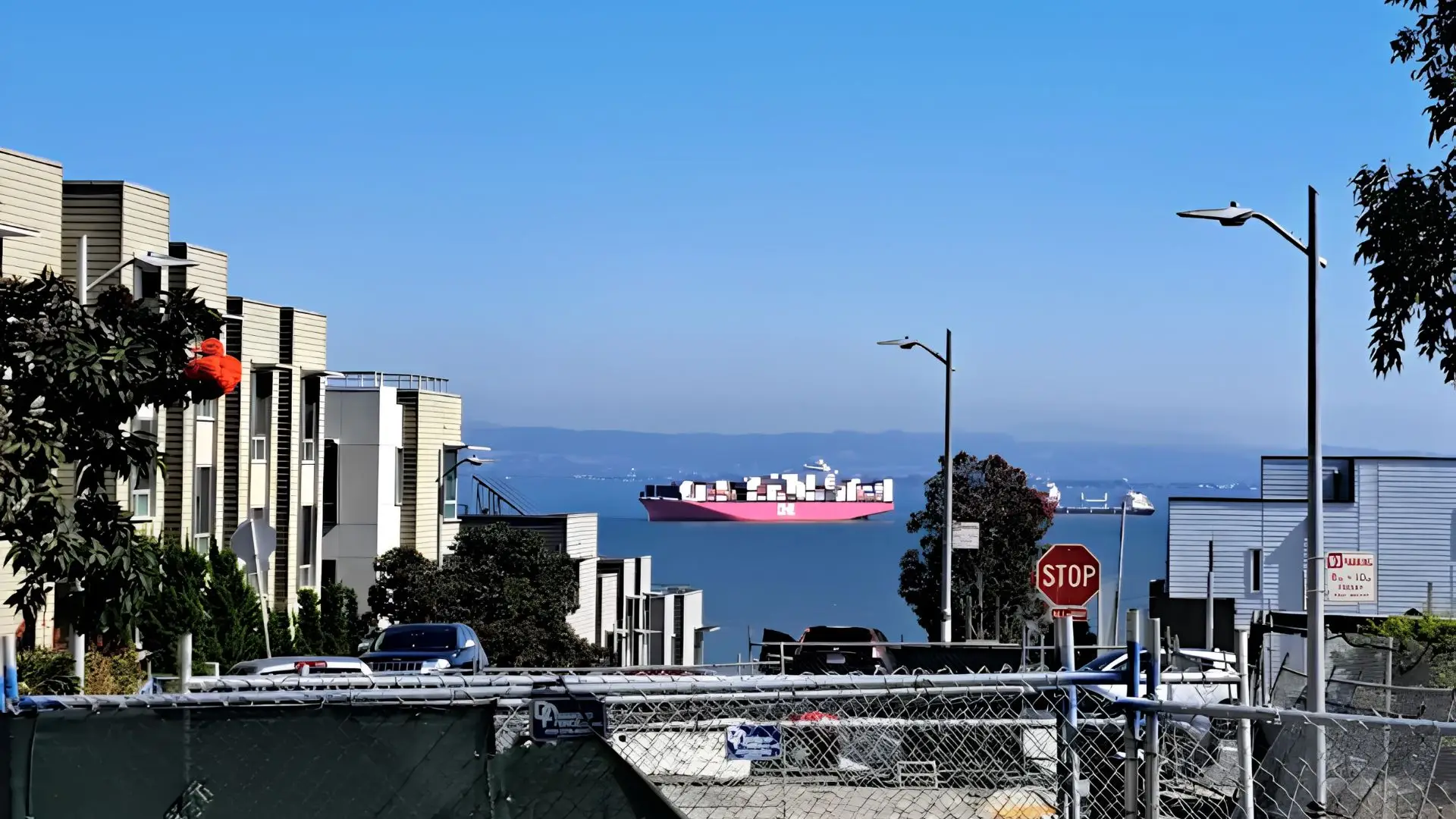
Nestled in the heart of San Francisco, the Castro District is a vibrant and culturally rich neighborhood known for its historic significance, progressive values, and diverse community. Widely recognized as a symbol of LGBTQ+ activism and acceptance, the Castro District has played a major role in shaping the city’s identity and continues to foster an inclusive, energetic atmosphere. The neighborhood features a mix of Victorian and Edwardian homes, updated single-family residences, and modern condominiums, reflecting both historic charm and contemporary urban living. With walkable streets, convenient public transportation, local boutiques, parks, and a strong sense of community, the Castro District stands out as one of San Francisco’s most desirable neighborhoods, offering valuable insights for those exploring housing trends and real estate opportunities in the city.
Castro District, San Francisco: Historical Background and Neighborhood Evolution
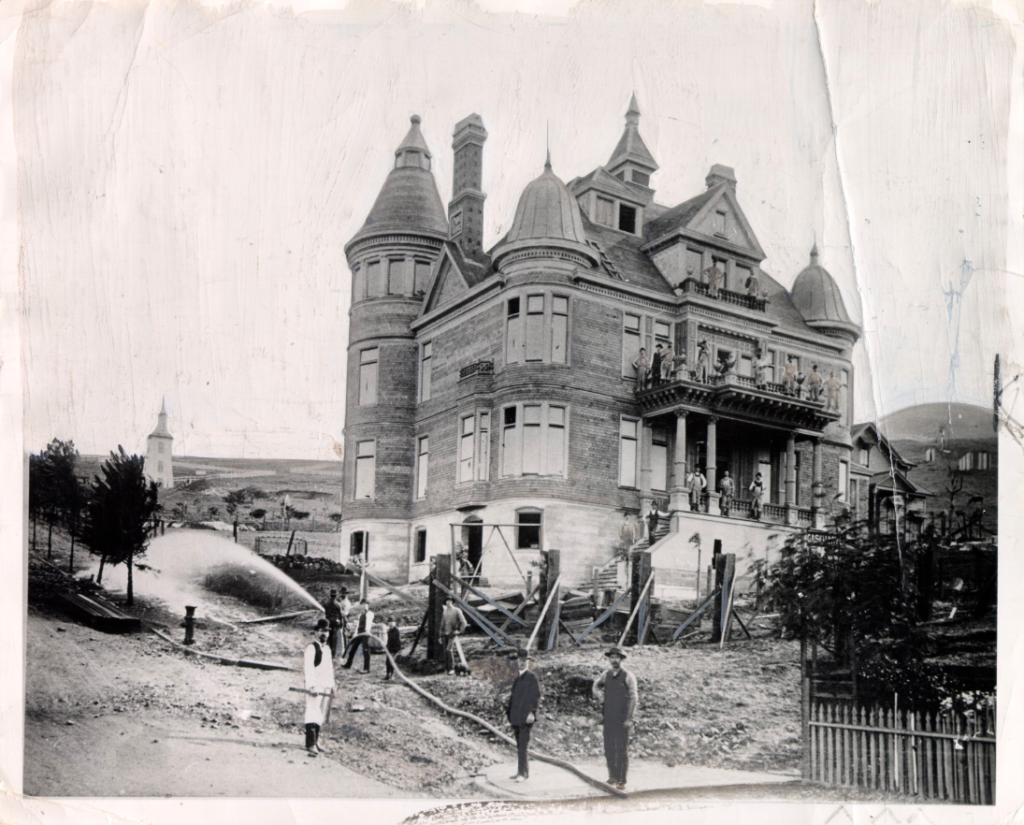
Alfred E Clarke mansion under construction at 250 Douglass Street, circa 1891/ SF Public Library
The Castro District began as Eureka Valley, a late 19th-century “streetcar suburb” primarily settled by Scandinavian, Irish, and Italian working-class families. Following the 1906 earthquake, the neighborhood grew into a dense residential enclave of Victorian and Edwardian architecture. However, by the 1960s, “white flight” to the suburbs led to a decline in property values, opening the door for the LGBTQ+ community to establish a foothold. This demographic shift transformed the area into a “Gay Mecca,” centered around Harvey Milk’s political activism and the iconic Castro Theatre, making it a global symbol of queer visibility and civil rights.
In the 1980s, the neighborhood’s identity was reshaped by the HIV/AIDS epidemic, which devastated the community but also galvanized a powerful movement of local healthcare advocacy and social resilience. This era solidified Castro’s role as a political and social sanctuary, marked by the creation of the Rainbow Flag and the establishment of various support organizations. Today, while facing modern challenges like gentrification and rising costs, the district remains a premier cultural destination, preserved through the Castro LGBTQ Cultural District to ensure its historic legacy of activism and liberation continues to thrive.
Source: kged, sfheritage
Daily Life in Castro District, San Francisco
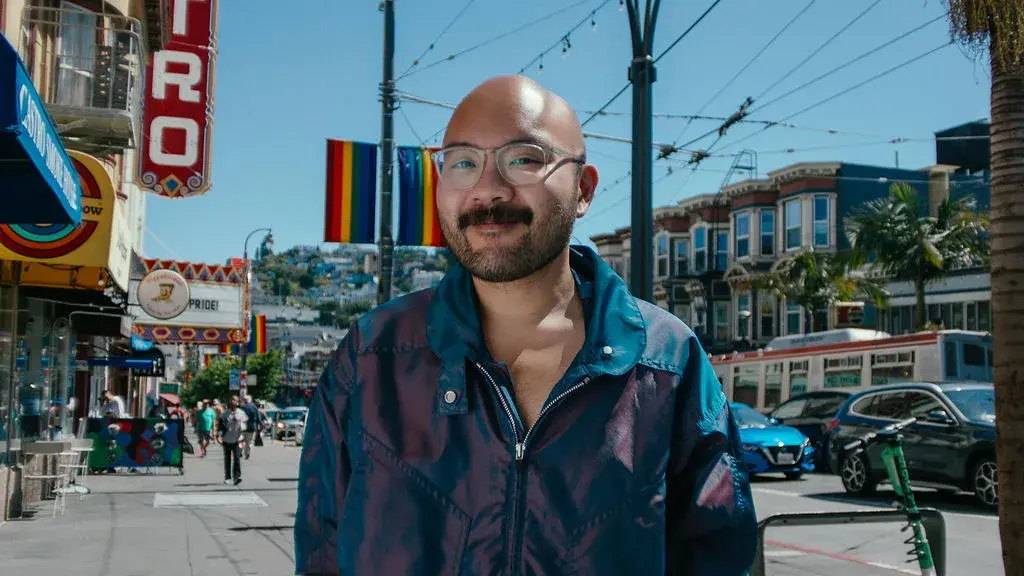
A Ten Year Resident is Castro
Daily life in the Castro District reflects a neighborhood in transition, evolving into an increasingly upscale area popular with young professionals, creatives, and families. Residents enjoy a dynamic mix of historic charm and modern convenience, with walkable streets lined by cafés, local shops, and cultural landmarks that contribute to the district’s strong sense of identity and community.
Outdoor living and accessibility are key parts of the lifestyle, with locals frequently gathering at Mission Dolores Park for picnics and panoramic city views, while the Muni Metro provides easy access to downtown and surrounding neighborhoods. Like many urban areas, living here comes with trade-offs such as high rents, limited street parking, and occasional late-night noise, but for many, the vibrant atmosphere and inclusive spirit make the Castro District a highly desirable place to call home.
Location, Boundaries, and Neighbors in Castro District: A Neighborhood Overview
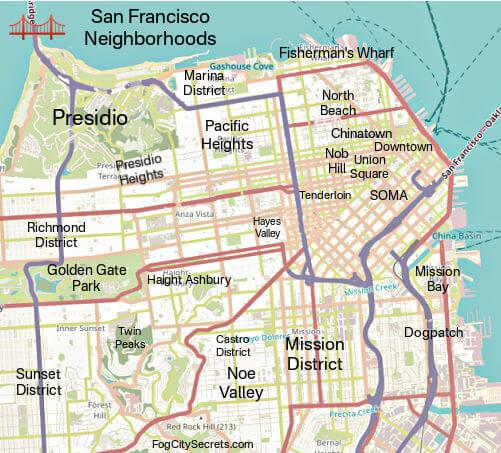
The Castro District sits in the geographic heart of San Francisco, with boundaries that are somewhat fluid but widely recognized by its central corridors and surrounding hills. The neighborhood’s main commercial and cultural activity is concentrated along Castro Street, which runs from Market Street south to 19th Street, and along Market Street, extending east toward Church Street. The broader residential area generally stretches from Church Street on the east to Eureka Street on the west, creating a compact yet highly walkable district that blends historic homes with lively retail and dining corridors.
The Castro District is bordered by several well-known neighborhoods that add to its appeal and connectivity. To the east lies the Mission District, often linked through the shared green space of Mission Dolores Park. To the south is Noe Valley, a quieter, family-friendly area, while the steep hills of Twin Peaks rise to the west, offering panoramic city views. North of the Castro, Duboce Triangle sits at the curve of Market Street, with Haight-Ashbury further northwest, known for its historic counterculture roots. To the northeast, Corona Heights provides a smaller, elevated residential enclave overlooking the district. Together, these neighboring communities enhance Castro’s central location and vibrant urban character.
Source: castrocbd
Castro District Real Estate Trends 2026
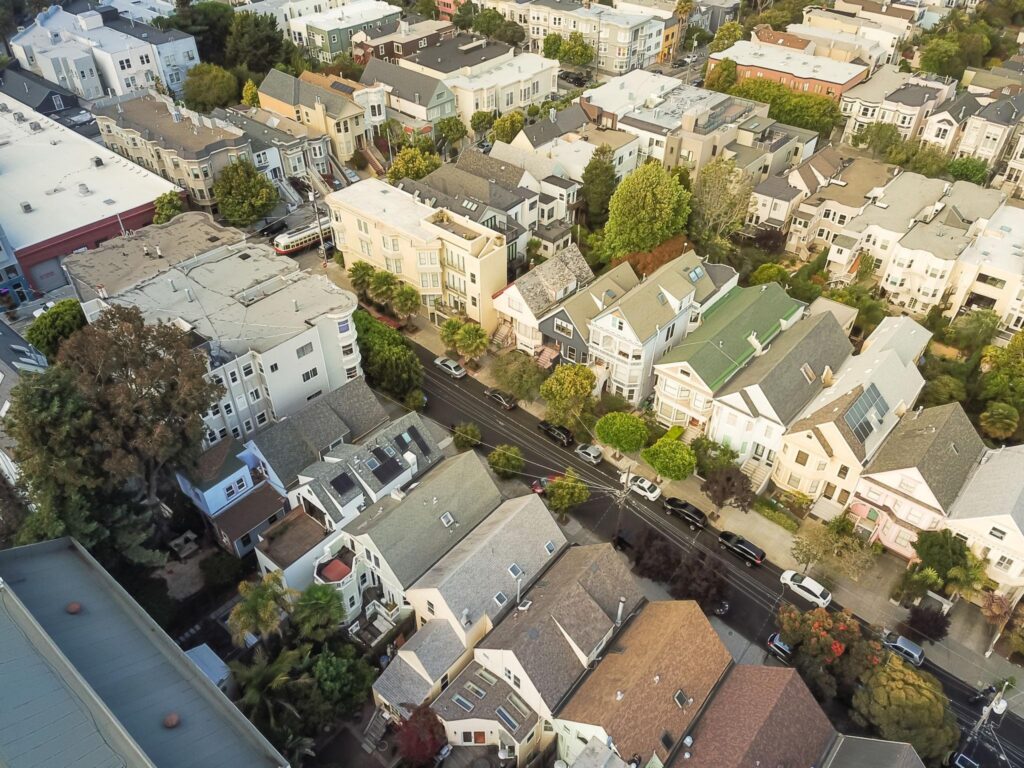
Top view popular Victorian residential houses in Castro, San Francisco, California
The Castro District real estate market in 2026 reflects the broader strength of San Francisco’s housing sector, which has surged into the year with significant price growth and renewed buyer competition. According to recent market data, single-family home prices across San Francisco have increased by more than 16% year-over-year, with a median sale price reaching approximately $1.65 million, signaling strong upward momentum and continued demand for well-located properties.
Inventory remains historically low, with listings down nearly 40% compared to the previous year, creating a highly competitive environment where homes are selling quickly—often in just under two weeks—and frequently above asking price. For buyers in the Castro District, this translates to a fast-paced, seller-driven market where desirable homes—especially updated Victorians and single-family residences—attract multiple offers. For investors and homeowners alike, the combination of limited supply, strong demand, and rising prices positions the Castro District as a resilient and high-value neighborhood heading
Source: legacysfhomes
Long-Term Growth and City Planning Projects in Castro District: Future Developments and Opportunities
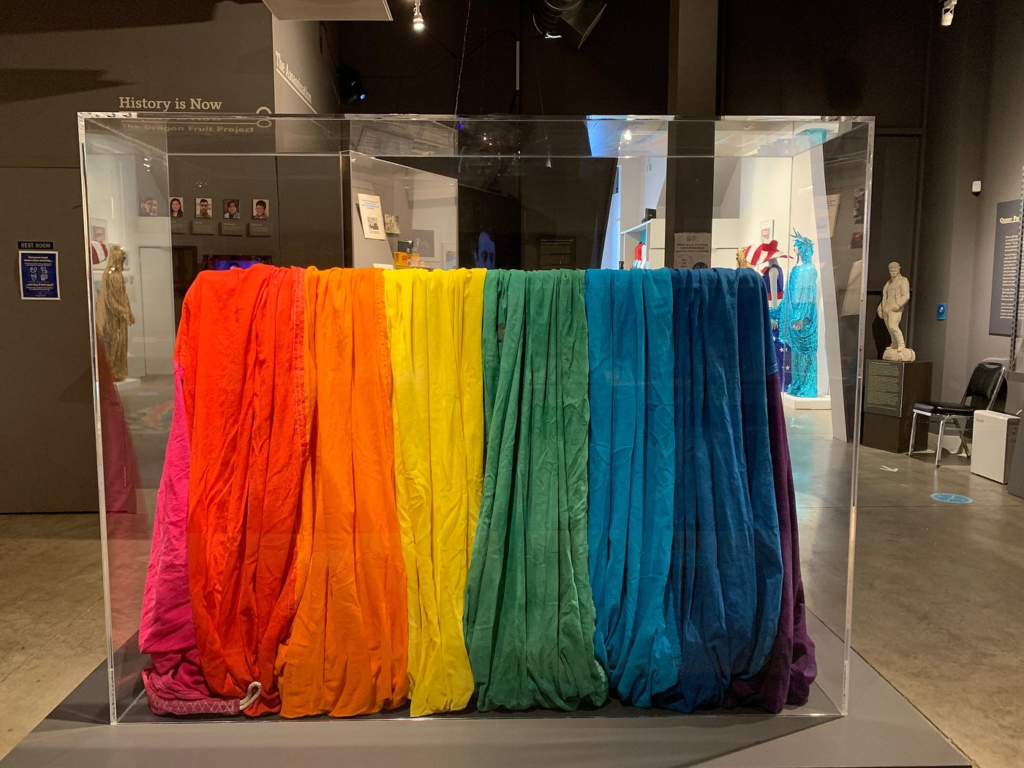
Inside the GLBT Historical Society Museum
The Castro District is entering a new phase of long-term growth shaped by city planning initiatives, cultural preservation efforts, and infrastructure upgrades. One of the most notable upcoming developments is the new GLBT Historical Society Museum, as the city finalizes a lease for the GLBT Historical Society’s permanent home at 2280 Market Street. This project is expected to become a major cultural anchor, strengthening heritage tourism while expanding access to archival research and educational programming in the neighborhood.
Looking ahead, the Castro District also plays a key role in San Francisco’s broader 2023–2031 Housing Element, which aims to add 82,000 new housing units citywide. Planning efforts along Market Street are focused on “Housing Choice” zoning, encouraging increased density near transit corridors to support more affordable and diverse housing options. At the same time, the Castro LGBTQ Cultural District is being expanded through updated zoning protections and community-led equity programs designed to preserve both the tangible and intangible history of the area. Complementing these initiatives, the Upper Market Street Safety Project continues to improve walkability and transit access through sidewalk expansions, signal upgrades, and safer transit platforms near the Castro/Market intersection, reinforcing the district’s evolution into a more accessible, livable, and future-ready urban neighborhood.
Source: ebar , sfplanning , glbthistory